
BlogDetails
Why does high blood pressure rise during winter even with a normal pulse rate? Learn causes, risks, and simple lifestyle tips to control BP in cold weather.
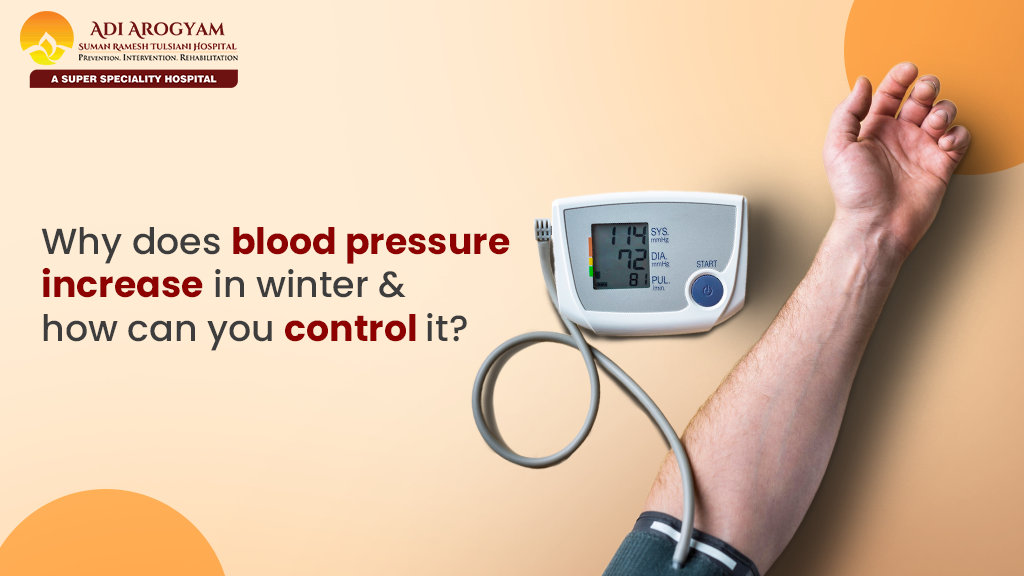
Why Blood Pressure Increase in Winter, and How You Can Control It?
26/12/2025Have you ever noticed that your blood pressure readings look a little higher in the winter months? Don't worry, you are not alone. A lot of people experience a rise in blood pressure when the temperature drops. Even if your pulse rate is normal and your blood pressure ranges are usually healthy, winter can still create sudden changes. In this guide, you can learn about why your blood pressure increases in winter.
Understanding blood pressure
Blood pressure measures the force of blood pushing against the walls of your arteries.
It is shown as two numbers:
- Systolic (upper number): pressure when the heart pumps
- Diastolic (lower number): pressure when the heart rests
Normal blood pressure range
- Normal: 120/80 mmHg
- Elevated: 120–129 / <80
- High Blood Pressure (Hypertension): 130/80 or higher
Normal BP range for women
For adult women, the normal range is generally the same as above: around 120/80. But Stress, hormones, lifestyle, age and even seasons can influence your readings.
Low Blood Pressure Range
Low BP (Hypotension): Below 90/60
A lot of people naturally have lower blood pressure and feel perfectly fine. Others might feel dizzy or tired.
Why does blood pressure increase in winter
Blood vessels narrow in cold weather
When the temperature drops, your body tries to keep you warm. One way it does this is by narrowing the blood vessels. But when your vessels become narrow, the heart has to pump harder, which increases your blood pressure.
Less physical activity
Winter makes most of you slow down. You stay indoors, move less and might even avoid exercise. Lack of movement can be a reason for high blood pressure. Even if your pulse rate stays normal, your BP might still go up.
Winter stress and mood changes
Winter brings shorter days, longer shifts, and sometimes seasonal stress. Hormones linked to stress, like cortisol, can raise your blood pressure.
Common Reasons for High Blood Pressure (In General)
Some common high BP causes:
- Eating too much salt
- Lack of exercise
- Stress or anxiety
- Smoking
- Alcohol intake
- Poor sleep
- Being overweight
- Hormonal changes (especially in women)
- Family history
How to control blood pressure and winter
Stay warm
You can dress in layers and wear warm socks and gloves. Keep your home temperature comfortable and avoid sudden exposure to cold air.
Move your body daily.
Physical activity is one of the best natural ways to control BP. You don't need a gym, just walk for about 20 to 30 minutes and do some light stretching or try indoor exercises.
Watch your salt intake.
Salt is one of the biggest causes of high blood pressure. You can try limiting packaged foods and reducing Pickles and salted snacks. Choose herbs and spices for flavours instead.
Stay hydrated
You might drink less water in winter, which affects your blood flow and might raise BP. Aim for at least 6 to 8 glasses of water every day. Warm water is also great.
Manage stress gently
Winter can bring emotional ups and downs. You can try deep breathing, light meditation, or talking to a loved one. A calm mind helps keep BP stable.
When Should You Seek Help?
If your readings stay above 130/80 consistently, or if you feel:
- Severe headache
- Chest discomfort
- Breathlessness
- Dizziness
Winter can be a beautiful season, but it does bring a few challenges, one of which is rising blood pressure. The good news is you can control it with simple lifestyle steps like staying warm, staying active, and eating better. Your health is in your hands. Awareness and a few daily habits can help you maintain a normal blood pressure range.