BlogDetails
Speed, precision and expert treatment are essential in heart emergencies.
Cardiac Arrest: Causes & Symptoms
24/02/2026Speed, precision and expert treatment are essential in heart emergencies. Our approach centres on discovering problems quickly, getting to people fast when an emergency happens, and arranging for care to help them get better over the long run.
A great number of hospitals offer all-purpose emergency treatment, however the existence of teams who respond to heart problems specifically contributes to the chances of survival during fatal occurrences.
Dedicated ICU monitoring, advanced equipment and trained emergency teams are critical factors that help specialised centres perform better in cardiac emergencies compared to standard hospital emergency setups.
We consider educating patients to be just as vital. Families should comprehend the dangers of a heart attack. They should be informed about the probable signs and how it should be tackled. Perhaps by knowing this, they can get patients to hospitals more quickly and get a faster treatment.
What is Cardiac Arrest and Why Is It Dangerous?
Cardiac arrest is a condition when heart stops functioning. Although, reasons vary but one such can be the problem with its electrical activity. Due to this, breathing stops and the patient loses their consciousness. An urgent resuscitation or a defibrillator can bring the patient back from the brink of death.
Unlike the majority of heart problems, this kind of emergency frequently arrives without notice. Although a few sufferers will have preliminary indications such as shortness of breath or pain in the chest, many people collapse with no prior indication.
Adi Arogyam Superspeciality hospital specialises in heart care, crash teams specifically for emergencies and quick heart tests allow for faster reaction times than the standard procedures for all emergencies.
Understanding Major cardiac arrest causes
The most common reason behind this emergency is an abnormal heart rhythm. These electrical rhythm problems stop the heart from pumping blood properly. Ventricular fibrillation is one of the most common rhythm disturbances leading to sudden collapse.
Other major causes include coronary artery disease, structural heart problems, heart failure, severe infections and oxygen supply failure. In some cases, trauma or drug toxicity can also trigger cardiac collapse.
We focus strongly on preventive cardiology and early detection. Regular cardiac screening, risk evaluation and continuous monitoring help reduce sudden emergency risk. Many general hospitals focus mainly on treatment after an emergency instead of preventive cardiac evaluation.
Recognising Early cardiac arrest symptoms
Symptoms are usually sudden and severe. However, some patients may notice warning signs shortly before collapse.
Common symptoms we educate patients about include:
- Sudden collapse
- No pulse
- No breathing or abnormal breathing
- Loss of consciousness
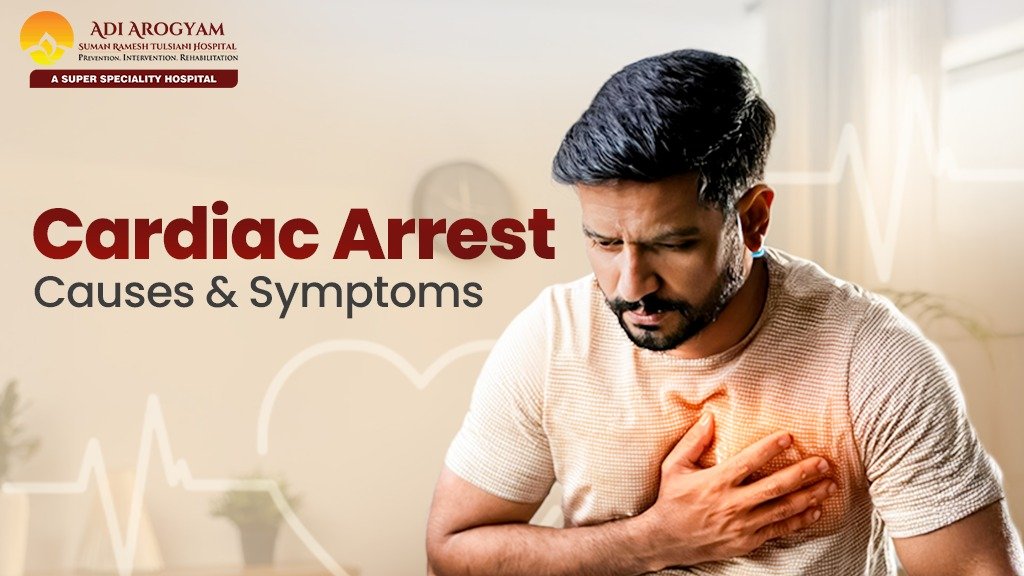
- Sudden dizziness or chest discomfort before collapse
These signs need immediate emergency medical support because brain damage risk increases when oxygen supply stops.
Our awareness programmes focus on CPR training and emergency response education, which is still not widely available in many healthcare centres.
Why Fast Treatment Changes Survival Chances
Studies demonstrate that a patient’s chances of living through an emergency are greatly influenced by how soon CPR and defibrillation begin. Prompt attention supports the circulation of blood to the brain and to the body’s other organs, while awaiting more complete medical assistance.
We have continual, twenty-four-hour preparation for heart emergencies. Teams of nurses who are skilled in Advanced Cardiac Life Support, and have quick access to tests. Specific plans for cardiac crises mean that treatment is not held up as much as in normal A and E units.
How Our Cardiac Care Approach Stands Apart
Our care model focuses on three major pillars: prevention, emergency response and recovery care. Many hospitals provide emergency stabilisation, but complete cardiac recovery needs rehabilitation, lifestyle planning and long-term monitoring.
Specialised cardiac centres focus on:
- Preventive screening and risk assessment
- Emergency cardiac crash response systems
- Advanced cardiac monitoring technology
- Post emergency rehabilitation support
These combined services help improve survival and long-term quality of life.
Our Commitment Towards Better Cardiac Care Outcomes
We continuously upgrade cardiac technology, emergency protocols and patient monitoring systems. Compared to standard hospital models, our approach integrates early detection, rapid emergency care and recovery planning under one system.
We believe awareness, screening and fast treatment together help reduce complications and improve cardiac survival rates.
Protect your heart today. Book your cardiac risk screening and stay one step ahead of emergencies.