BlogDetails
10 Common Monsoon Diseases & Prevention
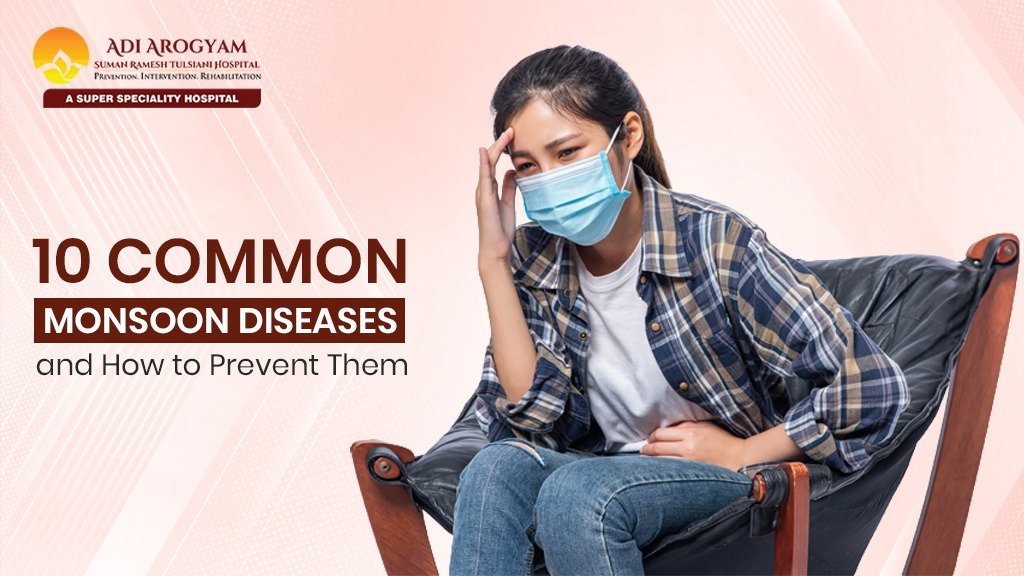
10 Common Monsoon Diseases and How to Prevent Them
03/09/2026The rains arrive each year and bring with them a welcome drop in temperature. But alongside the relief, infection rates climb. Monsoon diseases range from waterborne illnesses like typhoid and hepatitis to mosquito-borne infections like dengue and malaria. Most of these are preventable with the right steps at home and timely medical attention. This guide covers ten of the most common illnesses seen during the monsoon months, along with practical steps to keep you and your family safe.
1. Dengue
Caused by a virus transmitted by the Aedes mosquito, which breeds in stagnant water around the home. Symptoms include sudden high fever, severe headache, pain behind the eyes, body and joint ache, and a skin rash. A falling platelet count is the key danger sign.
Prevention: Remove all sources of stagnant water, use mosquito repellents during the day, and wear full-sleeved clothing.
2. Malaria
Spread by the Anopheles mosquito, which is most active at night. Symptoms include chills, shivering, high fever that comes in cycles, sweating, and fatigue. If untreated, it can affect the brain and kidneys.
Prevention: Sleep under mosquito nets, use screens on windows, and apply insect repellent before going outdoors after dark.
3. Typhoid
A bacterial infection caused by contaminated water and food. It presents with a gradually rising fever, headache, loss of appetite, and stomach pain. Left untreated, it can cause serious intestinal complications.
Prevention: Drink only boiled or filtered water, avoid raw street food, wash hands before every meal, and ask your doctor about the typhoid vaccine.
4. Hepatitis A
This viral liver infection spreads through contaminated food and water. Symptoms include tiredness, loss of appetite, nausea, stomach discomfort, and yellowing of the skin and eyes. It is more common in areas with poor sanitation during heavy rains.
Prevention: Use safe water sources, avoid shellfish and raw foods, and ensure all family members wash hands regularly.
5. Leptospirosis
This bacterial infection is passed to humans through contact with water or soil contaminated by animal urine, particularly during flooding. It causes fever, headache, muscle pain, and in severe cases, liver and kidney failure.
Prevention: Avoid wading through floodwater, wear rubber footwear outdoors, and clean cuts or wounds promptly if exposed.
6. Cholera
Cholera is caused by a bacterium that thrives in contaminated water. The main symptom is sudden, severe watery diarrhoea, which can lead to dangerous dehydration very quickly. It spreads fast in areas where drainage has been disrupted by heavy rain.
Prevention: Drink only treated water, avoid food from sources with poor hygiene, and seek medical care immediately if severe diarrhoea begins.
7. Gastroenteritis
Commonly called a stomach infection, gastroenteritis is caused by bacteria or viruses in contaminated food or water. Symptoms include nausea, vomiting, loose stools, stomach cramps, and mild fever. Children and older adults are more vulnerable to dehydration from this condition.
Prevention: Store food properly, reheat cooked food thoroughly, and avoid eating cut fruit or salads from outside vendors.
8. Fungal Skin Infections
High humidity and wet clothing create the perfect conditions for fungi to grow on the skin. Ringworm, athlete's foot, and infections in skin folds are all common during the rains. They cause itching, redness, scaling, and discomfort.
Prevention: Keep skin dry, change out of wet clothes quickly, wear breathable fabrics, and use antifungal powder in areas prone to sweating.
9. Viral Fever and Upper Respiratory Infections
Cold, damp weather and crowded indoor spaces during the rains make it easier for viruses to spread from person to person. Symptoms include sore throat, runny nose, body ache, and a low to moderate fever. These are usually self-limiting but can become complicated in those with existing lung conditions.
Prevention: Avoid close contact with those who are unwell, wash hands frequently, and keep your home well ventilated.
10. Conjunctivitis
Also known as pink eye, conjunctivitis spreads rapidly during the monsoon through contact with infected water or touching the eyes after handling contaminated surfaces. It causes redness, itching, discharge, and light sensitivity.
Prevention: Avoid touching your eyes, do not share towels or eye drops, and wash hands thoroughly after being outdoors.
How Adi Arogyam Is Equipped to Help
At Adi Arogyam Super Speciality Hospital, we have dedicated departments for General Medicine, Pulmonology, Dermatology, Gastroenterology, Ophthalmology, Paediatrics, and Nephrology, all under one roof. Our pathology laboratory carries out routine as well as advanced tests, including blood cultures, PCR tests, malaria smears, and dengue antigen tests, with quick results. For patients who need in-patient care, our 140-bed facility with 24/7 nursing and medical support is ready. Our Emergency and Accident department is open around the clock for urgent presentations that cannot wait.
When to See a Doctor at Adi Arogyam
It can be tempting to manage mild symptoms at home. But there are clear signs that need prompt medical attention. If any member of your family has a fever that has lasted more than two days, cannot keep fluids down, has blood in vomit or stools, shows signs of yellow skin or eyes, or feels confused and unusually weak, do not wait. Monsoon diseases can progress quickly, especially in children, older adults, and those with existing health conditions. At Adi Arogyam, our General Medicine OPD runs Monday to Saturday with Sunday slots also available, so that you always have access to a physician when you need one.
Stay Prepared and Stay Well This Monsoon
Prevention is always better than treatment. Simple habits like drinking clean water, keeping the home dry, using mosquito protection, and washing hands regularly can significantly cut the risk of falling ill this season. But if illness does arrive, getting the right test and the right treatment quickly is what matters most. We at Adi Arogyam are committed to providing the most appropriate care for every patient, from the simplest infection to the most complex case. Our hospital stands for prevention, intervention, and rehabilitation, and this monsoon, we are here to support every family in Vikhroli East and beyond.
Feeling unwell this monsoon? Visit Adi Arogyam Super Speciality Hospital for expert diagnosis and treatment.